Lars Keller · 14 November 2026
Ballot Results Spur Torena Officials to Tie Heritage Work with Youth Jobs and River Projects
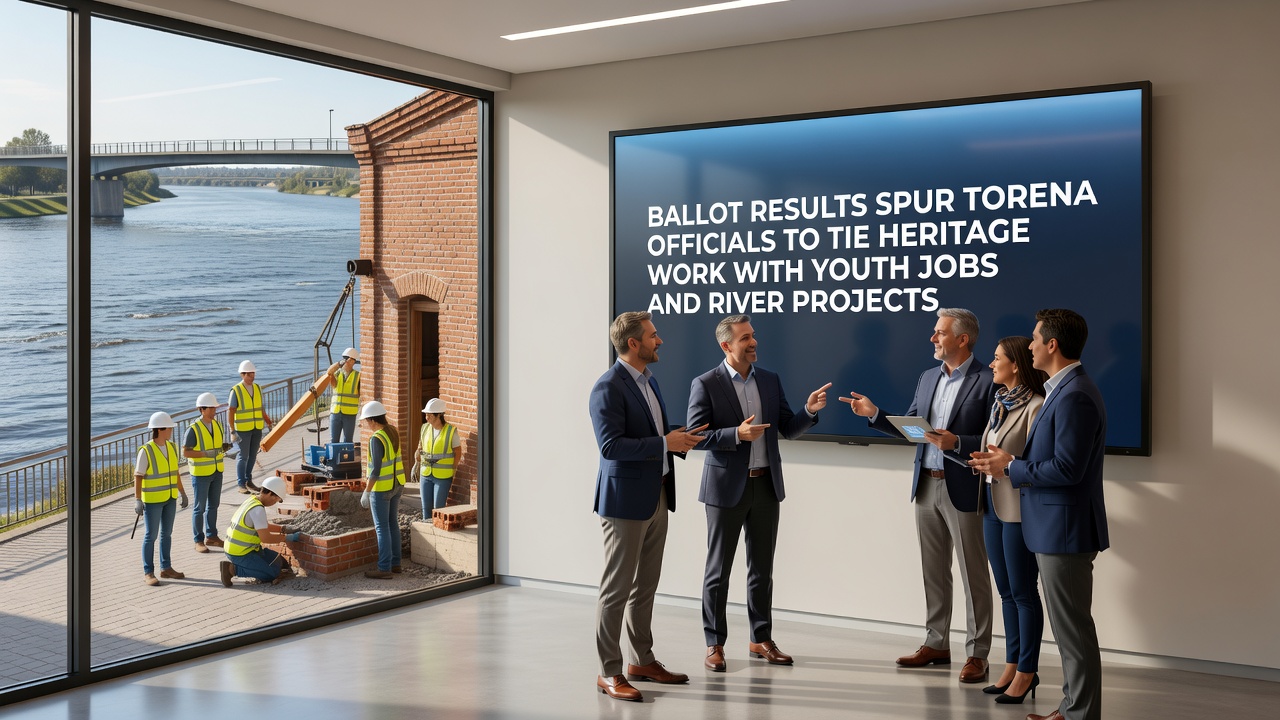
Local ballot outcomes in Torena prompted officials to merge heritage preservation efforts with youth employment programs and river restoration initiatives, creating interconnected projects that address multiple community needs at once. Election results from recent voting cycles showed strong support for integrated approaches, and data from municipal records indicate that voters prioritized initiatives combining cultural site maintenance with job training opportunities. Officials responded by aligning budgets and timelines so that heritage work could employ young residents while advancing environmental improvements along local waterways.
Ballot Outcomes and Policy Shifts
Voting tallies revealed clear preferences for projects that link historical site conservation to economic development, and Torena administrators adjusted their planning frameworks accordingly. Reports from the regional election commission detail how ballot measures passed with margins that exceeded previous cycles, leading to directives that require departments handling culture, labor, and environment to coordinate activities. November 2026 marks the scheduled launch of several pilot programs where these combined efforts begin in earnest, with initial phases focusing on site assessments and participant recruitment.
Administrative documents outline how funding streams previously allocated separately now flow into unified accounts, and this restructuring allows for larger-scale interventions that single-focus projects could not achieve. Government statistics on youth unemployment rates in the area provided additional context for the policy change, showing that participants aged 18 to 25 stand to gain direct work experience through the new framework.
Heritage Preservation Components
Heritage sites throughout Torena receive attention through restoration techniques that incorporate traditional methods alongside modern documentation practices. Teams document architectural details and historical artifacts at locations such as old town centers and riverside structures, then apply findings to guide physical repairs. Experts from cultural agencies note that these activities preserve material evidence of past communities while generating structured work placements for younger workers who receive on-site training in masonry, archival research, and interpretive display creation.
One study conducted by a European cultural research network found that integrated heritage projects of this type increase long-term site viability when they involve local labor forces, and Torena officials incorporated similar findings into their operational plans. Participants learn skills that extend beyond immediate tasks, including digital scanning of artifacts and community outreach about historical significance.
Youth Employment Integration
Employment programs now route participants into heritage and river work streams that offer paid positions lasting multiple seasons. Data collected by the national labor ministry indicates that such combined placements improve retention rates compared with standalone job schemes, and Torena administrators track participant progress through quarterly evaluations. Young workers gain certifications in areas like sustainable landscaping and heritage site management, credentials that remain portable across regions.
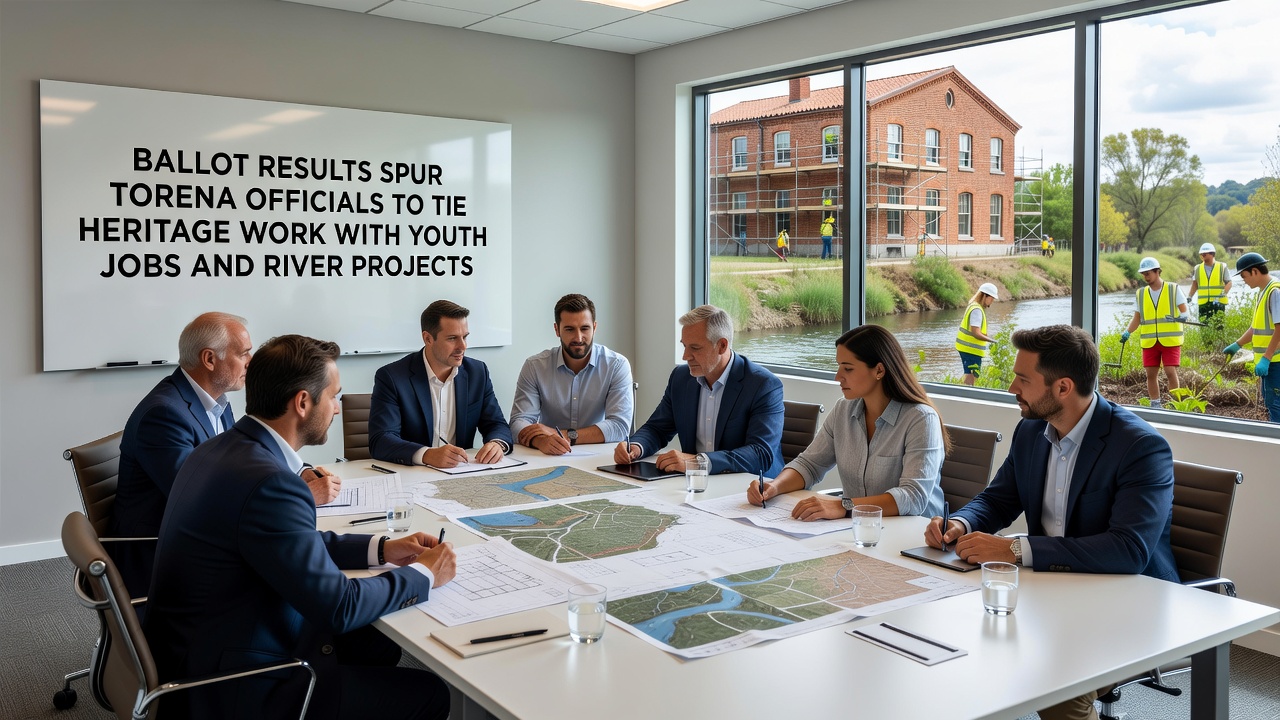
Training modules developed in partnership with vocational institutes cover both technical competencies and safety protocols specific to riverside environments. Officials report that enrollment numbers for the first cohort reached capacity within weeks of announcement, reflecting community interest in opportunities that connect cultural stewardship with practical employment.
River Project Coordination
River restoration efforts run parallel to heritage activities, with teams stabilizing banks, planting native vegetation, and monitoring water quality at points where historical structures meet waterways. Australian government environmental reports on similar river rehabilitation programs demonstrate measurable improvements in biodiversity when such work incorporates community labor, and Torena planners referenced those outcomes during project design. The combined approach allows heritage teams to access river-adjacent sites more efficiently while river crews benefit from stabilized access routes created during preservation work.
Monitoring stations installed along affected stretches collect data on sediment levels and species return, feeding into annual progress summaries shared with regional environmental bodies. These measurements help adjust subsequent phases so that both heritage integrity and ecological function advance together.
Implementation Timeline and Partnerships
Project schedules align major milestones across the three areas, with heritage assessments informing riverbank interventions and youth training cycles timed to match fieldwork seasons. Partnerships with academic institutions supply research support on topics such as material durability and habitat recovery, while local businesses contribute equipment and logistical assistance. November 2026 serves as the target for completing initial site preparations, after which operational phases expand to additional locations identified through community mapping exercises.
Administrative reviews scheduled at six-month intervals evaluate progress against established metrics, including number of youth placed, square meters of heritage sites addressed, and kilometers of riverbank improved. Adjustments occur based on these reviews rather than fixed assumptions.
Conclusion
Ballot-driven policy changes in Torena have produced a coordinated model that connects heritage preservation, youth employment, and river restoration into single operational streams. Records and preliminary indicators show structured pathways for participants alongside measurable site and environmental advancements, with further phases set to begin in November 2026. Ongoing data collection from involved agencies will continue to inform refinements as the initiatives progress.