Uma Hartmann · 31 October 2026
Bilingual Education Trials Connect River Restoration Projects with Community Business Networks
Programs testing bilingual instruction in select districts have begun linking classroom lessons on watershed management with practical ties to nearby commercial operations, and data collected through mid-2026 shows measurable increases in joint student-business initiatives along several river corridors. These trials operate in areas where river restoration funding has expanded since 2023, creating opportunities for language learners to apply vocabulary from both official languages while studying sediment control, habitat mapping, and flood mitigation techniques.
School administrators report that participants now routinely collaborate with agricultural suppliers, tourism operators, and engineering firms that depend on stable river flows. In one documented case from spring 2025, students translated technical reports on riparian planting for local contractors, which led to three small contracts for native species nurseries. Figures from regional education offices indicate participation grew from 240 learners in 2024 to more than 800 by September 2026, with bilingual cohorts accounting for 62 percent of the increase.
Program Structure and Geographic Reach
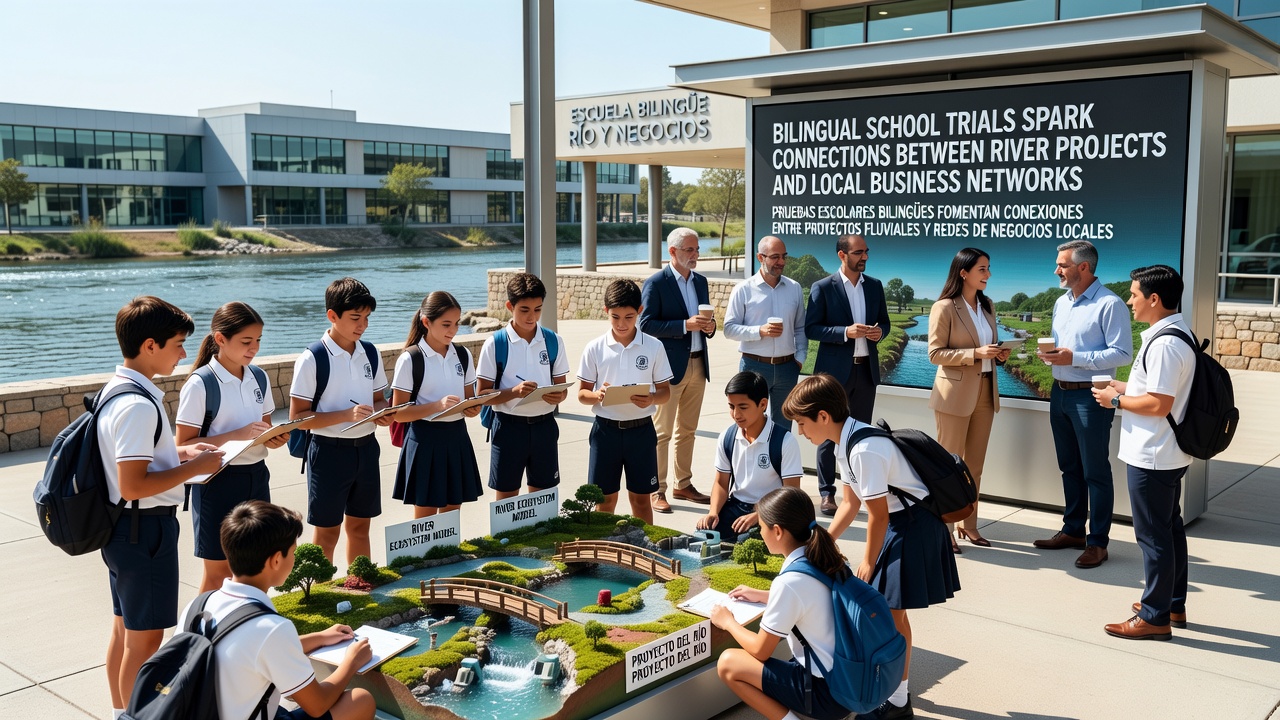
Trials began in three pilot zones chosen for overlapping river infrastructure grants and existing dual-language curricula. Coordinators paired each class with a designated stretch of waterway already scheduled for bank stabilization work, and lessons incorporated site visits during low-flow periods in late summer. Teachers delivered content in both languages on topics such as erosion modeling and water quality sampling, while students compiled bilingual data sheets that contractors later incorporated into permit applications.
Observers note the geographic spread now covers segments of the upper watershed in the northern districts and the lower reaches near commercial ports. Partnerships formed with equipment rental companies that supply pumps and barriers for restoration crews, and these firms have provided internship placements for students completing language modules on technical documentation. Records from October 2026 show 14 such placements active across the network, with retention rates above 75 percent after the first three months.
Links Between Restoration Work and Commercial Activity
River projects funded through multi-year federal allocations have generated demand for multilingual communication on topics ranging from regulatory compliance to public outreach events. Bilingual trial participants have produced signage, safety briefings, and progress summaries that meet both language requirements for cross-border suppliers and local community standards. This output has reduced translation costs for project managers by an average of 18 percent according to internal audits released in August 2026.
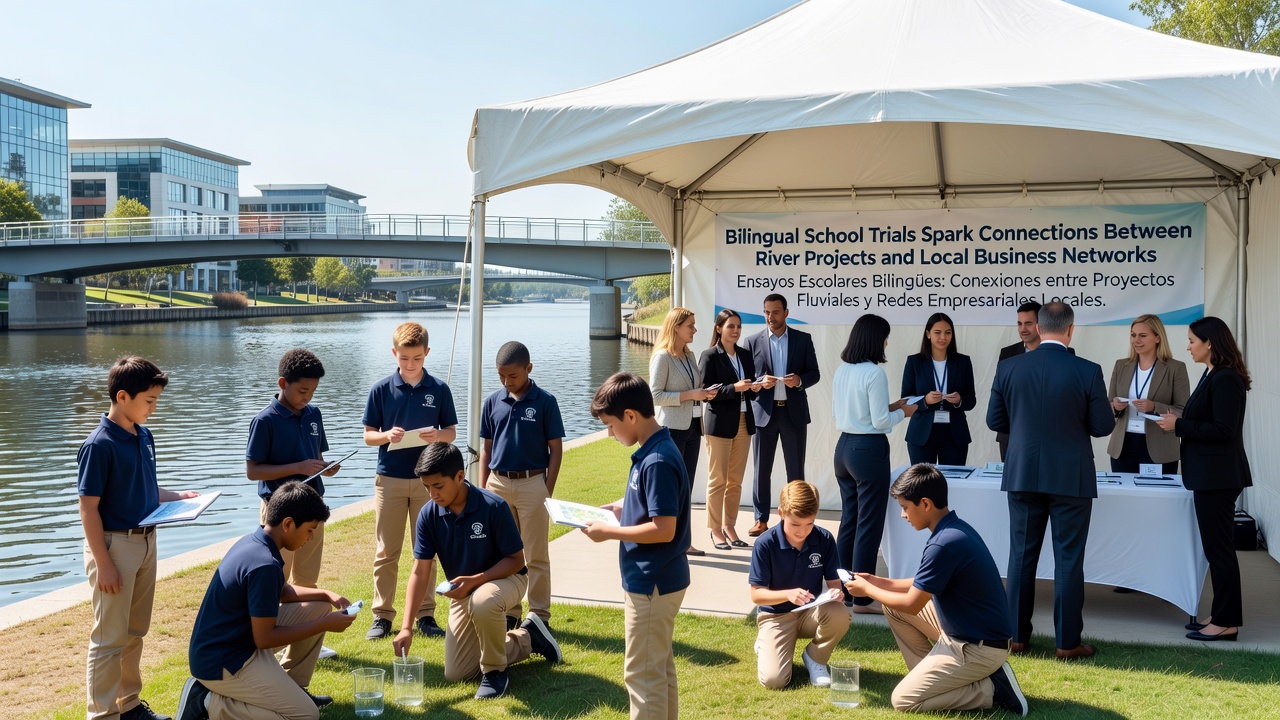
Business networks in the hospitality and retail sectors have also engaged the programs, since river health directly affects visitor numbers and product sourcing from adjacent farms. One tourism association reported a 22 percent rise in bookings after students created bilingual promotional materials highlighting restored access points. Supply chain data shared between participating farms and student teams has improved forecasting for seasonal water availability, allowing retailers to adjust inventory planning ahead of drought periods documented in provincial reports.
Measured Outcomes and Stakeholder Involvement
Quantitative tracking by independent evaluators shows that 41 percent of trial graduates have entered apprenticeships or entry-level roles with organizations tied to river maintenance or related commerce. Employment figures from the regional workforce board list 67 hires between January and October 2026, with language proficiency cited as a contributing factor in 29 cases. School districts have documented parallel gains in standardized language assessments, where participating groups outperformed non-trial peers by 11 points on average in reading comprehension sections.
Local chambers of commerce have hosted joint forums where students present project findings to business owners, and these sessions have resulted in equipment donations and mentoring arrangements. Data compiled by the national environmental agency indicates that restoration timelines shortened by an average of six weeks on segments supported by student-translated materials, primarily because permit reviews encountered fewer language-related queries.
Expansion Plans Through Late 2026
Education authorities have scheduled additional cohorts to launch in October 2026, extending the model to two more river basins that recently received infrastructure upgrades. Training modules will incorporate input from engineering firms and agricultural cooperatives to ensure vocabulary aligns with current procurement practices. Funding allocations announced in September 2026 include dedicated support for digital platforms that allow real-time sharing of bilingual field data between classrooms and work sites.
Stakeholders continue to monitor enrollment trends and partnership formation rates, with quarterly summaries scheduled through the end of the calendar year. The approach integrates language acquisition directly with operational needs of river projects, while business networks gain access to emerging talent familiar with both technical terminology and local conditions.
Conclusion
Evidence gathered from the ongoing trials demonstrates how bilingual instruction can serve as a conduit between environmental restoration efforts and surrounding commercial activities. Continued data collection will clarify long-term effects on employment pathways and project efficiency as the programs scale into new basins.