Lars Keller · 17 October 2026
Regional Networks Forge Connections Between Drought-Impacted Agriculture and Cultural Literary Programs
Community networks across several drought-prone regions have established pathways that link farms experiencing prolonged water shortages to literature events and museum displays, creating structured opportunities for knowledge exchange and cultural participation while data from agricultural monitoring shows continued strain on crop yields and livestock management through 2026. These connections operate through coordinated local groups that organize transport, digital access points, and themed programs, allowing participants from affected areas to attend readings, panel discussions, and exhibitions focused on environmental themes and historical agricultural practices.
Network Structures and Operational Methods
Organizations operating these networks coordinate between agricultural extension services, public libraries, and cultural institutions to schedule events that align with planting and harvest cycles, and researchers at institutions such as the University of California Davis have documented how such timing reduces participation barriers for farm operators managing variable irrigation demands. Programs typically include mobile exhibits that travel to community centers near affected farmlands, while virtual sessions connect participants to museum archives containing records of past drought responses in regions like the Mediterranean basin and parts of Australia.
Integration of Literature Events
Literature events hosted through these networks feature authors and historians presenting works on land stewardship and water conservation, with sessions held in October 2026 at venues ranging from county fairgrounds to regional libraries that have expanded outreach to rural addresses. Data compiled by the Food and Agriculture Organization indicates that farms in participating networks report increased engagement with educational materials, and event organizers note attendance figures that have risen steadily as digital streaming options supplement in-person gatherings during periods of restricted travel due to weather conditions.
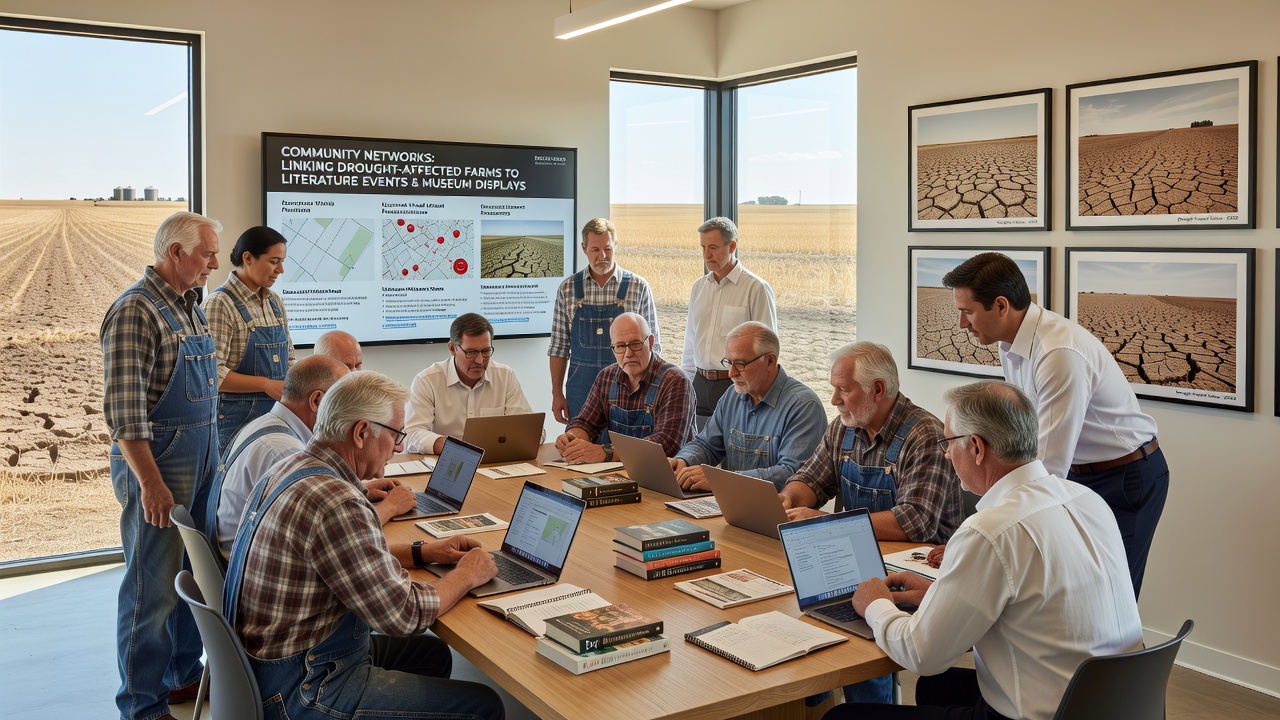
Panels often examine texts that document historical farming adaptations, and participants discuss practical applications for current conditions, while libraries in multiple jurisdictions provide curated reading lists that reference reports from bodies such as the Australian Bureau of Meteorology on precipitation trends. These sessions incorporate question-and-answer formats that allow direct input from attendees managing day-to-day operations on properties facing reduced aquifer levels.
Museum Displays and Cultural Components
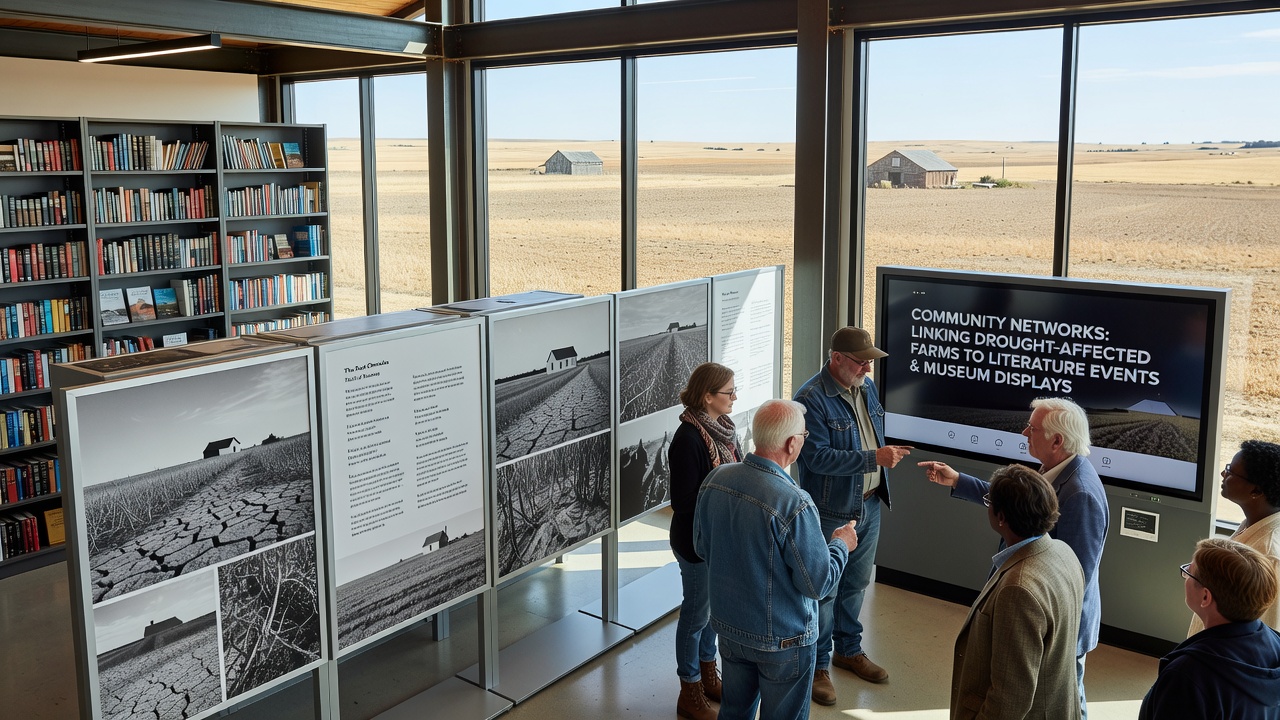
Museum displays integrated into the network activities showcase artifacts related to traditional irrigation techniques alongside contemporary data visualizations of soil moisture levels, and curators at institutions in North America and Europe have collaborated to loan items for temporary installations in agricultural communities. Exhibits scheduled through October 2026 highlight comparative studies of drought management across continents, drawing on collections that include tools from early 20th-century operations and interactive models demonstrating crop rotation strategies under water-limited scenarios.
Documented Outcomes and Participation Trends
Participation metrics tracked by regional coordinators show that over 2,500 individuals from drought-affected zones attended at least one combined literature and museum event during the preceding twelve months, according to summaries released by participating cultural agencies. These figures include repeat visitors who return for follow-up workshops that build on initial exposure to archival materials, and external evaluations conducted by academic teams have recorded measurable increases in requests for additional resources on sustainable practices following event attendance.
Conclusion
Community networks continue to expand these linkages by refining scheduling tools and expanding digital archives, while ongoing data collection from sources including the European Environment Agency supports adjustments to program content based on shifting climate patterns. The structure established through these efforts provides a repeatable model for other regions facing similar agricultural pressures, with documentation now available through partner institutions for replication studies.