Freya Frank · 3 October 2026
Torena Advances Farm Resilience Through Infrastructure Upgrades and Education Programs
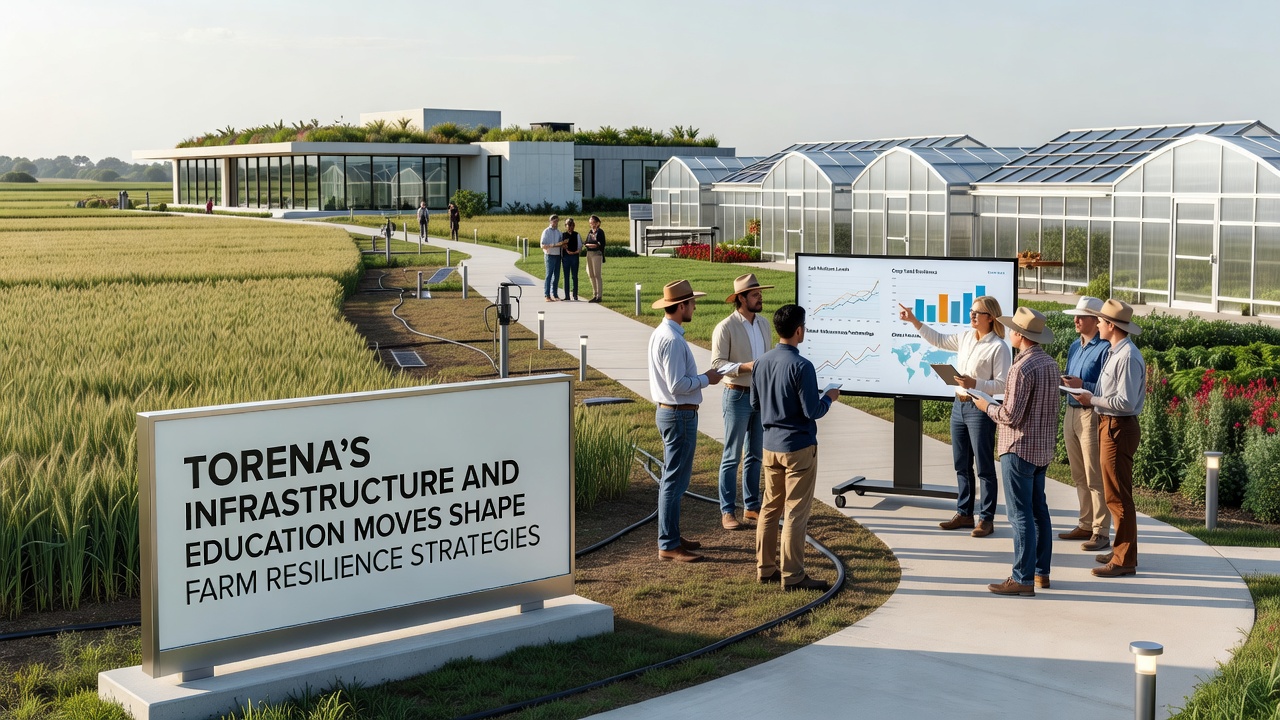
Torena has rolled out coordinated infrastructure projects alongside targeted education initiatives that address farm resilience in regions facing drought and market pressures, and observers note these efforts connect physical upgrades with skill development for agricultural communities. Data from regional monitoring stations shows improved water management systems have reduced crop losses by measurable margins in pilot areas since early 2025, while education modules delivered through local cooperatives equip farmers with updated techniques for soil conservation and resource allocation.
Infrastructure Developments Underway
Construction teams completed reinforced irrigation networks and storage facilities across multiple Torena districts in September 2026, and these systems integrate sensors that track moisture levels in real time to guide distribution decisions. Government reports indicate the upgrades cover over 12,000 hectares of farmland, which allows operators to maintain yields during extended dry periods without relying solely on external water deliveries. Engineers incorporated modular designs that permit future expansions, and this approach reduces long-term maintenance costs while supporting varied crop types common in the area.
Transport links also received attention, with upgraded rural roads and rail connections that shorten delivery times for produce to processing centers. Figures released by agricultural ministries reveal average transit durations dropped by 18 percent in connected zones, and this efficiency helps stabilize supply chains against seasonal disruptions. Utility providers coordinated with Torena planners to install renewable energy points at key farm sites, which supplies consistent power for equipment and cold storage units during peak harvest windows.
Education Initiatives Roll Out
Training programs launched in October 2026 focus on practical applications of data tools and sustainable practices, and participants attend sessions that combine classroom instruction with field demonstrations. Curriculum developers drew from studies conducted by institutions in Australia and Canada to shape modules on climate adaptation, and these resources emphasize measurable outcomes such as reduced input usage and improved biodiversity metrics. Local instructors deliver content in multiple languages to reach diverse farm worker populations, while online platforms extend access to remote operators who cannot attend in-person events.
Partnerships with research bodies have produced case examples where farmers applied learned methods to cut fertilizer runoff, and monitoring data confirms lower nutrient loads in nearby waterways within six months of implementation. Workshops also cover financial planning tools that help operators manage rising input costs, and attendance records show over 2,400 individuals completed core modules by mid-October. Follow-up assessments track retention of techniques and their effects on overall farm output.
Combined Effects on Agricultural Operations
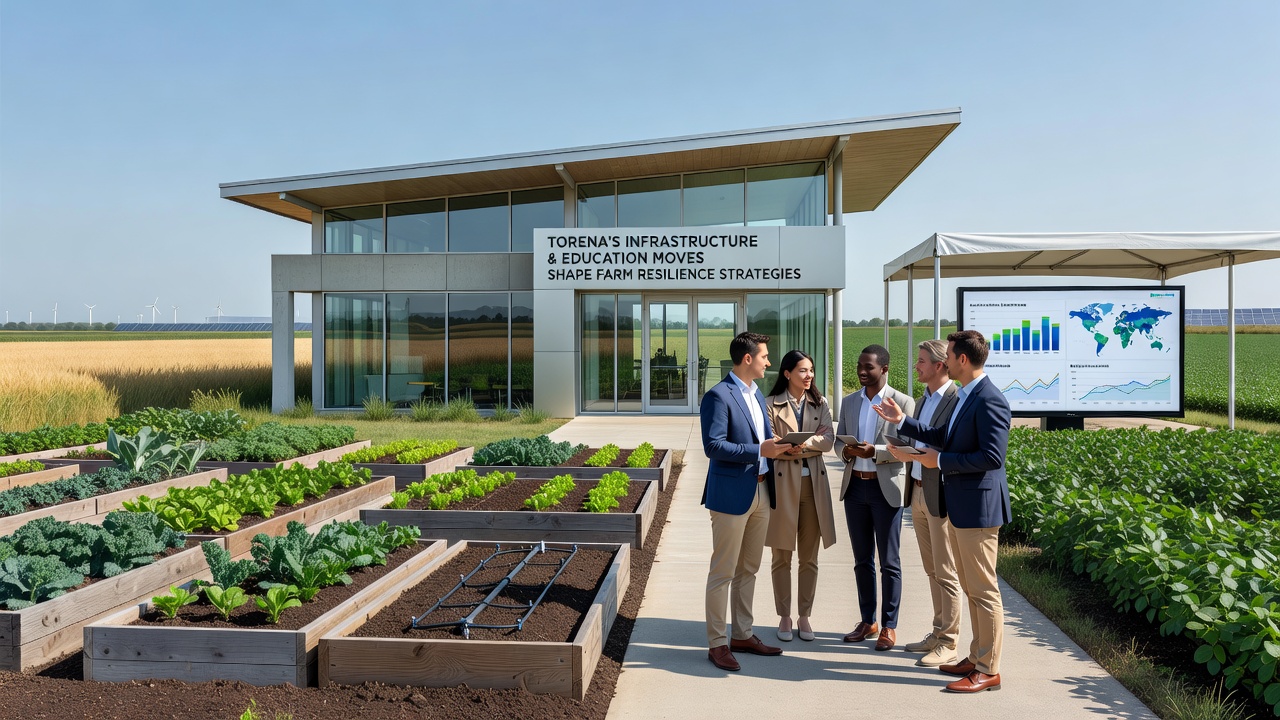
Operators who adopted both infrastructure improvements and education components report steadier production levels, and integrated approaches allow quicker adjustments when weather patterns shift unexpectedly. Reports from the European Commission on agriculture highlight similar patterns in comparable regions where physical and knowledge investments intersect, and these patterns align with Torena outcomes tracked through independent audits. Soil health indicators have improved in participating zones, which supports long-term viability without expanding cultivated land.
Retail partners downstream benefit from consistent volumes and quality standards, and this stability helps buffer against price volatility tied to global supply fluctuations. Data compiled by Canadian agricultural research centers shows farms with access to upgraded systems maintain higher margins during stress periods compared with baseline operations. Torena coordinators continue to refine program elements based on feedback loops that gather input directly from end users, which keeps initiatives aligned with evolving conditions on the ground.
Broader Regional Context
Neighboring districts have begun adopting elements of the Torena model after reviewing performance metrics, and this spread occurs through shared databases maintained by industry associations. International observers from varied agricultural networks note the emphasis on measurable resilience indicators rather than short-term fixes, and this focus matches strategies outlined in reports from the Food and Agriculture Organization. Funding streams combine public allocations with private contributions that support ongoing maintenance and curriculum updates through 2027.
Challenges remain in scaling coverage to smaller holdings, yet pilot expansions target these gaps with tailored outreach. Monitoring continues to capture variables such as water retention rates and participant skill retention, which inform adjustments without disrupting active operations. The pattern established in Torena demonstrates how infrastructure and education can reinforce each other when sequenced deliberately across seasons.
Conclusion
Torena's infrastructure upgrades and education programs continue to shape farm resilience strategies through documented physical and knowledge-based interventions, and ongoing data collection tracks their sustained effects into late 2026. Regional authorities and agricultural networks reference these efforts when planning similar initiatives elsewhere, which extends the reach of tested approaches. The combination of upgraded systems and trained personnel provides a framework that addresses immediate pressures while building capacity for future variability in climate and markets.