Sage Schröder · 5 September 2026
Torena Volunteer Groups Address Drought Strain and Rising Costs in Agriculture and Retail
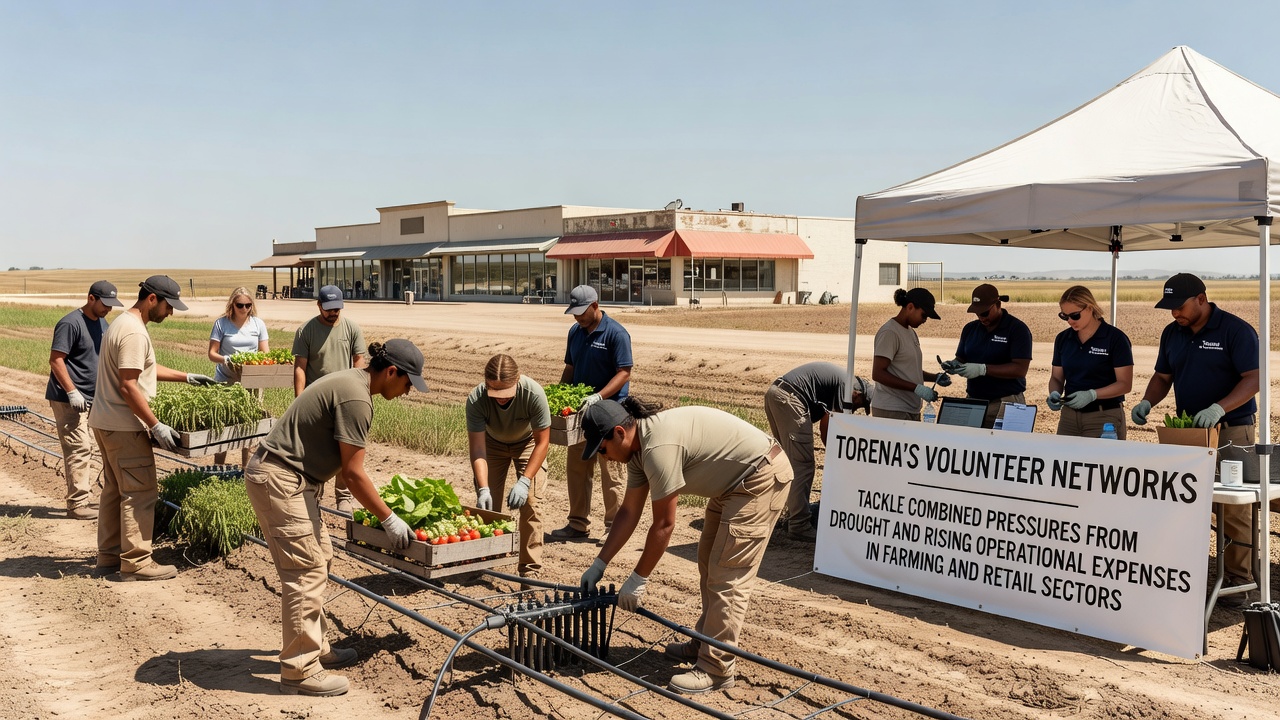
Volunteer networks across Torena have expanded their operations since early 2025 to assist local farms and retail outlets dealing with prolonged dry spells alongside increased expenses for fuel, seeds, and logistics. These groups coordinate resource sharing, equipment loans, and distribution of water-efficient tools while tracking data from regional weather stations that show rainfall deficits continuing into September 2026.
Data from agricultural monitoring programs indicate average operational costs for Torena farmers rose 18 percent between 2024 and 2026, driven by higher fertilizer prices and transport fees. Retailers in the same areas report similar pressures, with inventory management expenses climbing because of supply chain disruptions tied to water shortages.
Current Pressures on Local Sectors
Many farms in Torena's central districts rely on volunteer-led irrigation rotations that prioritize crops with lower water needs, such as certain grains and drought-resistant vegetables. Retail partners receive surplus produce through these same networks, which helps stabilize shelf stock when commercial deliveries fall short. Observers note that coordinated efforts between these sectors reduce waste and keep smaller outlets operational during peak summer months.
Studies from the Australian Bureau of Agricultural and Resource Economics show comparable patterns in dryland regions where community volunteers fill gaps left by commercial services. In Torena the model incorporates weekly check-ins with both producers and store owners to adjust for sudden spikes in diesel prices or packaging material costs.
Volunteer Coordination Methods
Teams operate through regional hubs that maintain shared databases of available equipment, volunteer drivers, and storage space. When drought conditions intensify, these hubs activate priority lists for water hauling and seed distribution that favor operations with documented financial strain. Retail outlets benefit from the same system when they need to move perishable goods quickly to avoid losses from delayed refrigeration repairs.
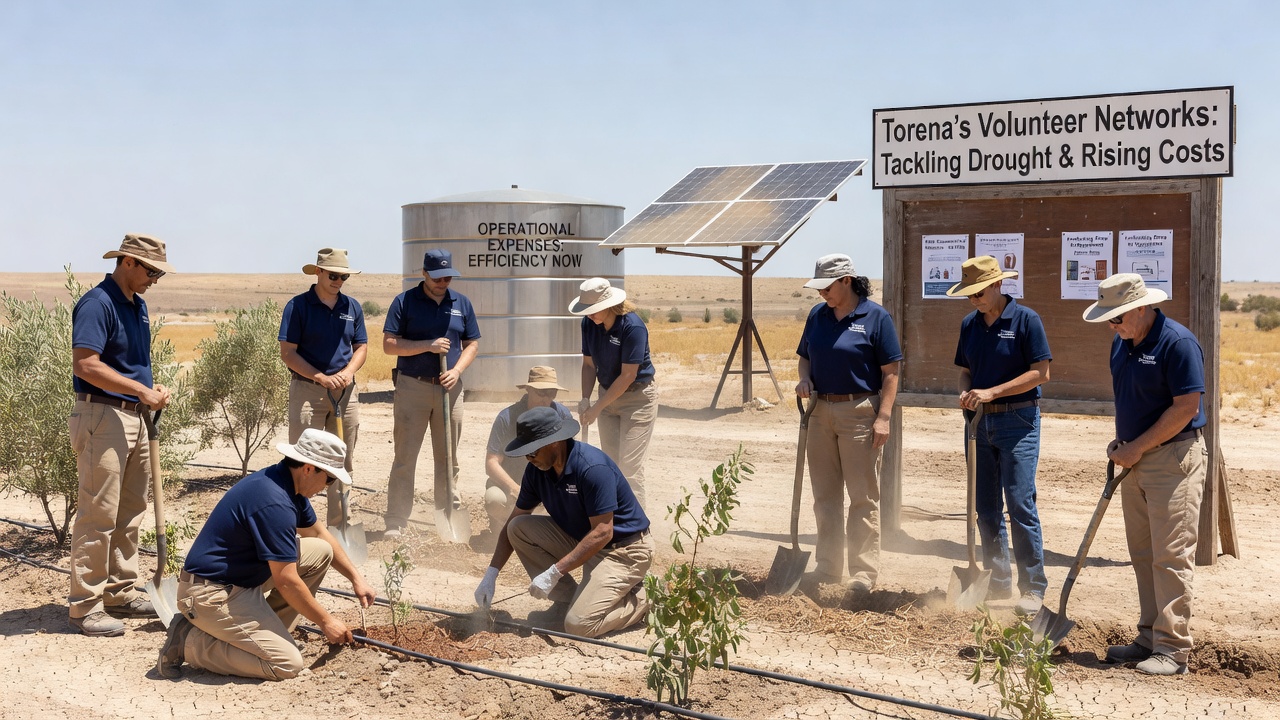
Training sessions held monthly cover basic maintenance of drip irrigation systems and cost-tracking spreadsheets. Participants include both long-term residents and newer arrivals who bring skills from previous work in logistics or supply chain management. The sessions draw on guidelines published by the Food and Agriculture Organization of the United Nations regarding community-level drought response.
Regional Data and Support Patterns
Records compiled through Torena's agricultural extension offices show that volunteer-assisted farms maintained 12 percent higher yields than comparable operations without network support during the 2025-2026 growing season. Retail partners report reduced spoilage rates after implementing volunteer-coordinated cold-chain checks. These figures align with findings from Canadian agricultural research centers that examined similar volunteer models in prairie provinces facing water restrictions.
Funding for the networks comes from a mix of local business contributions and grants tied to climate resilience programs. Expense tracking remains transparent, with quarterly summaries posted on community bulletin boards and shared via email lists that reach over 2,000 active participants.
Looking Ahead to Late 2026
Plans for September 2026 include expanded mapping of micro-irrigation projects and a new partnership with regional retailers to create pop-up markets for drought-affected produce. The networks continue to refine their approach based on incoming weather forecasts and cost indices released by the European Commission's agricultural monitoring service.
Conclusion
Torena's volunteer networks demonstrate how community-level coordination can link farming and retail responses to simultaneous environmental and economic stresses. Their ongoing work through 2026 builds on established data-sharing practices and equipment pools that address both immediate water needs and longer-term expense management. Continued monitoring by regional agencies will track whether these methods sustain output levels as conditions evolve.